Pretzels for Weight Loss: Stunning Benefits and Best Tips
Contents

Pretzels look simple: flour, water, salt, and a twist. Yet many people reach for them as a lighter snack and wonder if they help or hurt weight loss. The truth sits in the middle. Pretzels can fit into a calorie deficit, but only if you use them with a plan.
This guide explains how pretzels affect appetite, blood sugar, and cravings, plus how to choose smarter options and build balanced snacks around them.
Are Pretzels Good for Weight Loss?
Pretzels are usually lower in fat than chips and many crackers. A small handful can satisfy a craving for crunch and salt without blowing your daily calories. That said, most pretzels are refined carbs with little protein or fiber, so they do not keep you full for long.
If you eat them mindfully, pretzels can act as a controlled treat inside a weight loss plan. If you eat them straight from a large bag while distracted, they turn into a fast way to overeat.
Nutrition Snapshot: What Is in a Typical Pretzel?
The table below shows an average for small hard pretzels. Check your own brand label, as values shift by recipe and size.
| Snack | Calories | Carbs (g) | Protein (g) | Fat (g) | Fiber (g) | Sodium (mg) |
|---|---|---|---|---|---|---|
| Hard pretzels | 110–120 | 23–25 | 2–3 | 0.5–1.5 | 1–2 | 350–450 |
| Potato chips | 150–160 | 15–16 | 2 | 10–11 | 1 | 150–200 |
Pretzels usually win on calories and fat, but chips provide more satisfaction for some people. This trade-off matters. A lower-calorie snack helps only if it still feels satisfying enough that you stop eating.
Stunning Benefits of Pretzels for Weight Loss
Pretzels are not a superfood, but they bring a few clear advantages inside a calorie-controlled diet. Used wisely, they can reduce “snack stress” and help you stick to your plan.
1. Portion Control Is Easier Than You Think
Pretzels are uniform and easy to count. That makes portion control far easier than with nut mixes or soft baked goods. You can say: “I eat 15 mini pretzels, then stop,” and actually measure that serving in seconds.
This simple structure helps if you feel out of control around snacks. A fixed, pre-counted portion reduces the mental load of constant decisions.
2. Low Fat, Moderate Calories
Classic hard pretzels are baked, not fried. They have little fat and lower calorie density than many salty snacks. That means you get more individual bites for the same energy load, which can trick the brain into feeling like you ate more.
For someone used to grabbing a 200–300 calorie chip serving, swapping to a measured 100–120 calorie pretzel serving can cut daily intake while keeping the same snacking ritual.
3. Crunch and Salt Can Kill Certain Cravings
Many cravings are about texture and flavor, not hunger. A person standing in front of the fridge at 10 p.m. may just want something crunchy and salty after a stressful day. In that case, a small pretzel portion can end the craving faster than trying to “out-willpower” it.
By planning pretzels as an allowed snack, you replace an unplanned binge with a clear, limited option that still feels fun.
4. Easy to Pair With High-Protein Foods
On their own, pretzels will not keep you full. They shine when you use them as a base for protein and healthy fats. A few examples show how simple this can be in daily life.
- Pretzels with Greek yogurt dip or cottage cheese
- Pretzels with hummus and sliced cucumber
- Pretzels with a boiled egg and carrot sticks
In each case, the pretzels add crunch and satisfaction, while the protein and fiber handle fullness and blood sugar control.
Hidden Downsides You Should Watch
Pretzels can fit into a weight loss plan, but they bring a few problems if you rely on them too often or choose the wrong style.
1. Refined Carbs and Blood Sugar Swings
Most pretzels use refined white flour. This flour digests fast and can spike blood sugar, then drop it a few hours later. That drop makes you feel hungry and tired, which pushes you to eat more.
If you already fight cravings for sweets and starches, frequent pretzel snacks might make that harder, not easier.
2. Low Fiber and Low Protein
Fiber and protein keep you full. Pretzels have little of both. That means a serving fills your mouth, but not your stomach. You might eat 100 calories of pretzels and feel like you ate “nothing,” then go back for more.
This is why pairing pretzels with protein-rich foods matters. The combo changes the snack from “air” into something that holds you until the next meal.
3. High Sodium Can Add Up Fast
Pretzels are salty by design. A few servings in one day can push sodium intake very high. Extra sodium pulls water into the body, increases bloating, and may affect blood pressure in sensitive people.
For weight loss, this water retention can also hide fat loss on the scale and create frustration, even if your calorie deficit is on track.
Best Types of Pretzels for Weight Loss
Not every pretzel has the same impact. A few smart swaps can upgrade your usual snack without changing your routine too much.
- Whole grain or whole wheat pretzels – more fiber and a gentler effect on blood sugar.
- Low-sodium pretzels – help reduce water retention and support heart health.
- Mini or thin pretzels – more pieces per serving; this can help you feel like you get more snack.
- Spelt or rye pretzels – some people find these more filling and less “triggering” than standard white flour versions.
- Baked, not fried soft pretzels – choose plain over butter-dipped or cheese-stuffed versions.
If you like flavored pretzels, pick dry seasonings such as herbs, pepper, or mustard powder instead of sugar coatings or cheese dusts that push calories up fast.
Portion Guide: How Much Pretzel Fits in a Diet?
For most adults trying to lose weight, a snack in the 100–200 calorie range works well. That usually means a small handful, not half a bag.
As a rough guide, for standard mini hard pretzels:
- About 15–20 mini twists ≈ 1 ounce (30 g) ≈ 110–120 calories
- Sticks: count by weight using a small kitchen scale or the serving size on the label
- Soft pretzels: share one large pretzel or eat half, skip butter and extra cheese sauces
Pre-portion pretzels into small containers or bags on a calm day, for example on a Sunday evening. Then, during the week, you just grab one pack instead of making a choice with tired willpower.
Smart Pairings: Make Pretzels Actually Filling
The fastest way to make pretzels weight-loss friendly is to pair them with foods that increase satiety. Aim to add at least 8–15 grams of protein or 5–8 grams of fiber in the same snack.
High-Protein Pairings
Protein slows digestion and reduces cravings. These simple combos work well for busy days and need only basic prep.
- Pretzels + 100 g Greek yogurt with herbs or spices
- Pretzels + 40–50 g cheese cubes or cheese sticks
- Pretzels + 2 boiled eggs and cherry tomatoes
- Pretzels + canned tuna mixed with a spoon of light mayo or yogurt
Each combination turns pretzels from a pure carb hit into a more balanced mini-meal that supports muscle and controls hunger.
High-Fiber and Healthy Fat Pairings
Fiber and healthy fats also keep you full for longer. They slow the release of glucose into the bloodstream and help you feel steady energy.
- Pretzels + hummus + sliced bell peppers
- Pretzels + guacamole + cucumber rounds
- Pretzels + peanut or almond butter (thin layer, not a big scoop)
- Pretzels + small handful of nuts and an apple
In practice, many people find a mix of protein and fat works best, for example pretzels with hummus and a boiled egg, or pretzels with yogurt and a few almonds.
Practical Tips for Using Pretzels While Losing Weight
Pretzels can support weight loss if they live inside a wider structure. Small routines help more than sheer willpower.
- Plan your pretzel days. Decide how many days per week you include pretzels, and stick to that. For example, “three snack days with pretzels, four with fruit or nuts.” This prevents them from turning into an automatic daily habit.
- Stick to one serving per occasion. Serve your portion in a bowl, then put the bag away. Eat sitting down, without scrolling your phone or TV if possible. That short pause makes a big difference to how satisfied you feel.
- Pair with protein or fiber. Try never to eat plain pretzels alone. Add yogurt, hummus, cheese, or vegetables to every snack so that you stay full and keep blood sugar more stable.
- Balance your day’s carbs. If you plan pretzels in the afternoon, choose more protein and vegetables at dinner. This keeps your daily carb intake in check and supports fat loss.
- Watch late-night snacking. Pretzels before bed can turn into a mindless habit. If you like an evening snack, pre-portion in the kitchen and eat at the table, not in bed or on the sofa with a big bag.
These simple rules protect you from the main traps: big portions, mindless crunching, and carb overload on days when you already had bread, pasta, and sweets.
Who Should Be Careful With Pretzels?
Most healthy adults can enjoy pretzels in moderation. Some people need extra care because of their health status or goals.
- People with high blood pressure should monitor sodium intake and choose low-salt or salt-free options where possible.
- People with diabetes or prediabetes should pair pretzels with protein or healthy fat and limit portions to avoid spikes in blood glucose.
- People with celiac disease or gluten sensitivity must choose certified gluten-free pretzels made from safe grains.
In these cases, reading the nutrition label and ingredients list is crucial. Do not assume all pretzels are light snacks; flavored versions can be very high in sugar, fat, or sodium.
Can Pretzels Help You Lose Weight?
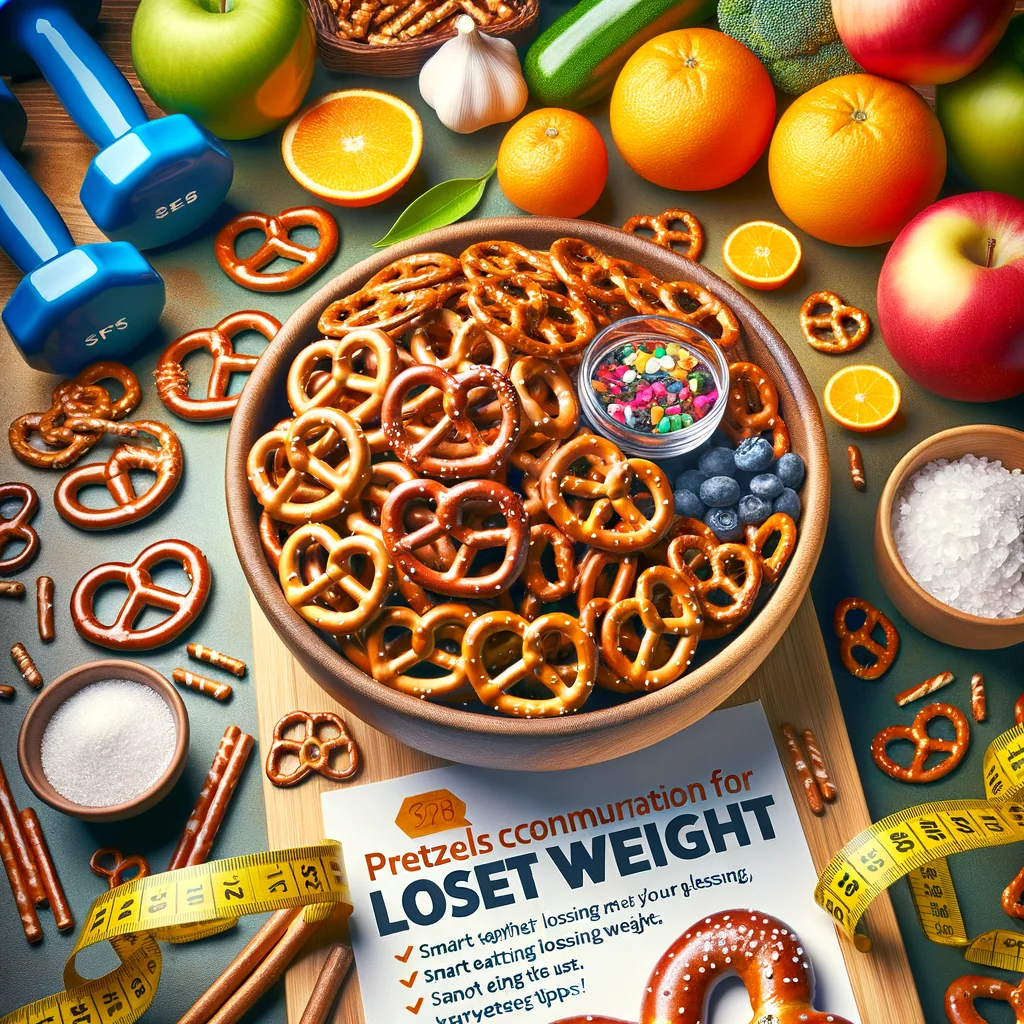
Pretzels can support weight loss if they sit inside a structured plan: controlled portions, smart pairings, and balanced total calories. They are not nutrient powerhouses, but they can replace higher-fat snacks and give a clear serving size that is easy to track.
The best approach is simple: choose whole grain or low-sodium pretzels, pair them with protein or fiber, and pre-portion them. Used this way, pretzels become a satisfying, predictable snack that fits into a fat-loss plan instead of fighting against it.